Teaching Sweet Hearts Review
As an embroidery designer with years of experience, I always approach new Creative Fabrica embroidery designs with a critical eye. Teaching Sweet Hearts caught my attention for its charm and potential in various handmade projects. This machine embroidery design offers a playful aesthetic that can elevate a wide range of products, from custom apparel to home decor.
First Impressions of Teaching Sweet Hearts
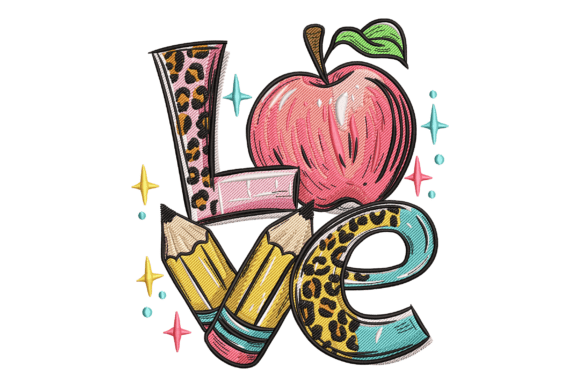
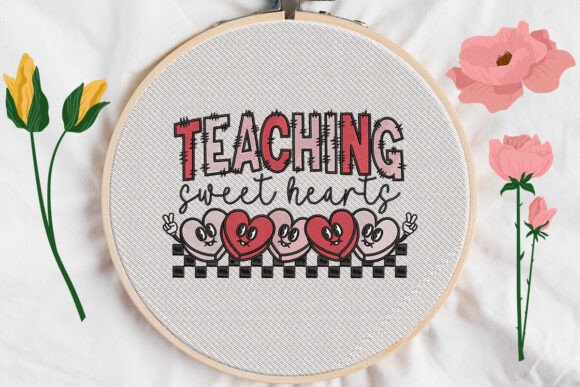
From the moment I viewed Teaching Sweet Hearts, I was struck by its whimsical visual mood. The design features soft curves, delicate details, and a sense of warmth that makes it ideal for school-themed items or personalized gifts. The stitching personality is light and airy, making it perfect for adding a touch of sweetness without overwhelming the fabric.
The decorative appeal of Teaching Sweet Hearts lies in its balance of simplicity and charm. It includes elements like hearts, letters, and small flourishes that work well on both plain and textured fabrics. Whether used on a tote bag, baby blanket, or kitchen towel, this design has a natural ability to draw the eye and add character to any project.
Real-World Embroidery Performance
When considering Teaching Sweet Hearts for real projects, I tested it on several materials, including cotton, polyester, and stretchy knits. The design performed well on most surfaces, though some areas required careful handling. For instance, the tiny lettering and curved lines needed precise hooping to avoid distortion.
This embroidery file is suitable for small hoop sizes, which is great for portable embroidery machines or when working on limited space. However, users should be mindful of the stitch density, especially in areas with dense fill stitches. A proper stabilizer is essential to prevent puckering, particularly on stretchy or lightweight fabrics.
For dark fabrics, the thread color contrast is crucial. I recommend testing with a few different thread shades to ensure visibility. On light-colored materials, the design looks clean and crisp, making it ideal for t-shirts, sweatshirts, and aprons.
Practical Use in Handmade Projects
Teaching Sweet Hearts is versatile enough to fit into a variety of handmade products. As an applique design, it adds a unique touch to embroidered patches, tote bags, and caps. Its layered details make it suitable for commercial embroidery projects, where consistency and quality are key.
For seasonal handmade gifts, this design works well on pillow covers, baby blankets, and nursery decor. The playful style aligns with school themes, making it a great choice for personalized gifts or boutique merchandise. When used in Etsy listings, it can enhance product photography by adding visual interest and brand consistency.
One area to pay attention to is the curved cap surface. While the design is not specifically tailored for caps, it can still be adapted with careful placement and hoop adjustments. For frequent washing, the stitch density and stabilizer use will determine how well the design holds up over time.
Impact on Product Value and Customer Engagement
Using Teaching Sweet Hearts can significantly boost the value of a handmade product. Its charming aesthetic makes it appealing for personalized gifts, which often command higher prices. Customers appreciate the attention to detail and the emotional connection that such designs provide.
In terms of buyer trust, a well-executed embroidery design like Teaching Sweet Hearts can increase confidence in a seller’s craftsmanship. It also enhances the presentation of finished products, whether they’re sold online or at craft fairs. The design’s versatility allows for creative applications, giving sellers more options to showcase their work.
For customer engagement, Teaching Sweet Hearts can be a conversation starter. Its playful nature invites interaction, especially when used in custom apparel or printable mockups. It also supports brand consistency, as the design can be incorporated into multiple product lines with ease.
Embroidery Tips and Best Practices
To get the best results with Teaching Sweet Hearts, I recommend starting with a test on scrap fabric. This helps identify any issues with stitch density, thread colors, or stabilizer use before committing to a final project. Checking the design on both light and dark fabrics is also important to ensure visibility and clarity.
Before using the embroidery file, always confirm the hoop size and machine compatibility. While the product description doesn’t specify exact measurements, it’s wise to review the file details on the Creative Fabrica product page. Proper stabilizer use is critical, especially for textured or stretchy fabrics.
Inspecting small details after stitching is another key step. The intricate elements of Teaching Sweet Hearts require careful attention to ensure they come out sharp and clean. Lastly, verify the licensing terms to ensure the design is suitable for commercial use, as this will affect how you can market and sell your finished products.